
Claymons Type Guide
Which types hit harder, what each one is weak against and how two Claymons line up.
Which attacks land hardest
Pick any square to read what it means. Read across a row to see what one attack type does to every kind of Claymon.
- Effective. The attack is effective. It hits twice as hard.
- Normal. Normal damage.
- Resisted. The defender resists the attack. It takes half the damage.
- No effect. The attack does nothing to this type.
Rows are the attack. Columns are the Claymon being hit.
Upcoming Dragon, Fighting, Bug, Light and Echo arrive with the next 72 Claymons. Here is how they will fit in.
| Attack type ↓Defending Claymon’s type → |  Poison |  Fairy |  Ice |  Steel |  Flying |  Shadow |  Rock |  Electric |  Earth |  Cosmic |  Fire |  Grass |  Water | DragonUpcoming | FightingUpcoming | BugUpcoming | LightUpcoming | EchoUpcoming |
|---|---|---|---|---|---|---|---|---|---|---|---|---|---|---|---|---|---|---|
| Poison | ||||||||||||||||||
| Fairy | ||||||||||||||||||
| Ice | ||||||||||||||||||
| Steel | ||||||||||||||||||
| Flying | ||||||||||||||||||
| Shadow | ||||||||||||||||||
| Rock | ||||||||||||||||||
| Electric | ||||||||||||||||||
| Earth | ||||||||||||||||||
| Cosmic | ||||||||||||||||||
| Fire | ||||||||||||||||||
| Grass | ||||||||||||||||||
| Water | ||||||||||||||||||
| DragonUpcoming | ||||||||||||||||||
| FightingUpcoming | ||||||||||||||||||
| BugUpcoming | ||||||||||||||||||
| LightUpcoming | ||||||||||||||||||
| EchoUpcoming |
| Defending Claymon’s type ↓Attack type → | Poison | Fairy | Ice | Steel | Flying | Shadow | Rock | Electric | Earth | Cosmic | Fire | Grass | Water | DragonUpcoming | FightingUpcoming | BugUpcoming | LightUpcoming | EchoUpcoming |
|---|---|---|---|---|---|---|---|---|---|---|---|---|---|---|---|---|---|---|
| Poison | ||||||||||||||||||
| Fairy | ||||||||||||||||||
| Ice | ||||||||||||||||||
| Steel | ||||||||||||||||||
| Flying | ||||||||||||||||||
| Shadow | ||||||||||||||||||
| Rock | ||||||||||||||||||
| Electric | ||||||||||||||||||
| Earth | ||||||||||||||||||
| Cosmic | ||||||||||||||||||
| Fire | ||||||||||||||||||
| Grass | ||||||||||||||||||
| Water | ||||||||||||||||||
| DragonUpcoming | ||||||||||||||||||
| FightingUpcoming | ||||||||||||||||||
| BugUpcoming | ||||||||||||||||||
| LightUpcoming | ||||||||||||||||||
| EchoUpcoming |
Select a square in the chart to see what it means.
Upcoming Dragon, Fighting, Bug, Light and Echo arrive with the next 72 Claymons. Here is how they will fit in.
Look up one type
There are 72 species today, plus 7 mythical Claymons. 72 more are on their way, bringing the roster to 151 including the mythical ones.
Upcoming Five new types arrive with them: Dragon, Fighting, Bug, Light and Echo. They are marked as upcoming wherever they appear here.
Attacking and defending
The Claymon’s own type
What it is made of. Cindrox is a Fire Claymon. Its type decides which attacks hurt it most when it is the one being hit.
The attack’s type
What the attack is made of. A Claymon attacks with its own type. Cindrox’s attacks are Fire.
The defending Claymon’s type
The type of the Claymon that is hit. The chart crosses the attack’s type with this one.
One way only. Every rule points one way. “Water attacks are effective against Fire” says nothing about Fire attacks on Water. That is a separate rule with its own square in the chart.
A worked example
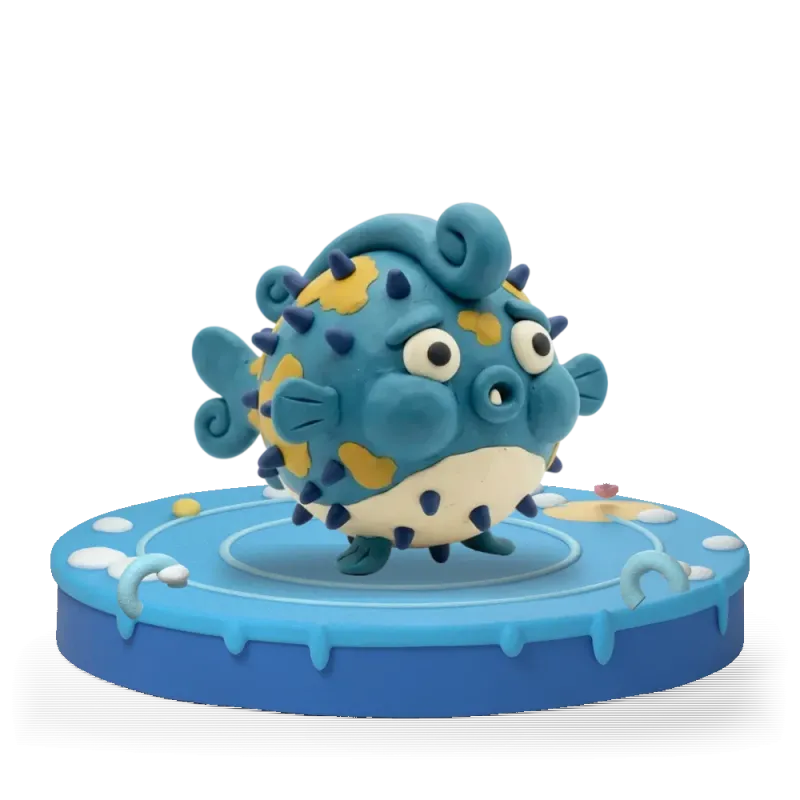 Type: Water
- Ripuff is a Water Claymon, so it uses a Water attack.
- Cindrox is a Fire Claymon.
- The Water row, Fire column says 2×. Water attacks are effective against Fire Claymons (2×).
- Turn it around: the Fire row, Water column says 0.5×. Water Claymons resist Fire attacks (0.5×).
- So on type alone, Ripuff has the edge. It is still not a guaranteed win.
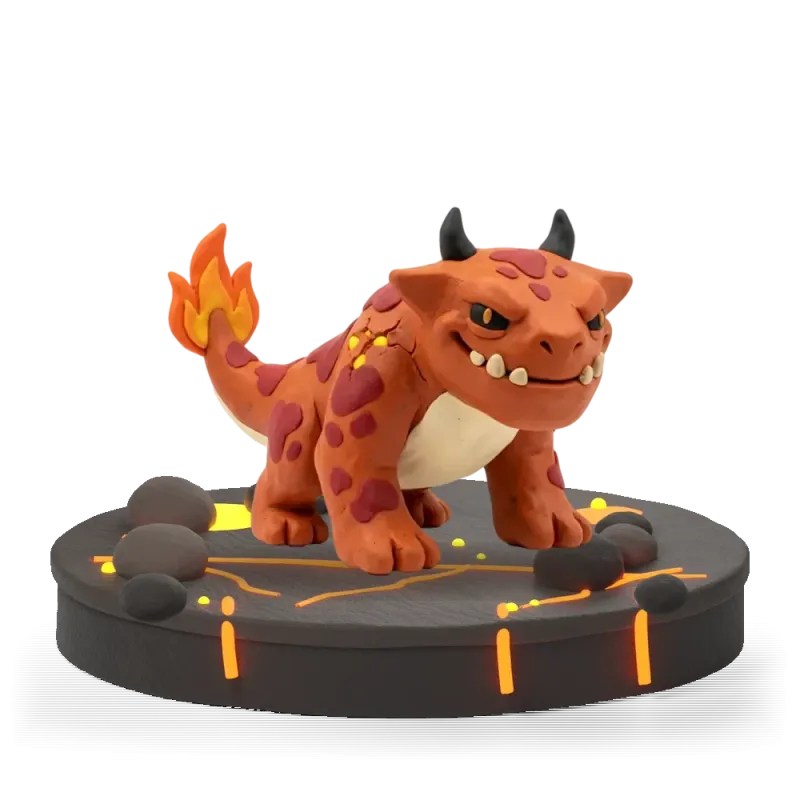 Type: Fire
What each type is good and bad at
Built from the rules in the chart. A type is weak to an attack when that attack is effective against it.
Poison
- Strong against
- Fairy, Grass
- Held back by
- Poison resists it; Shadow resists it; Rock resists it; Earth resists it; no effect on Steel
- Weak to
- Earth, Cosmic, Light (upcoming)
- Resists
- Poison, Fairy, Grass, Fighting (upcoming), Bug (upcoming)
Fairy
- Strong against
- Dragon (upcoming), Fighting (upcoming)
- Held back by
- Poison resists it; Steel resists it; Fire resists it; Light (upcoming) resists it
- Weak to
- Poison, Steel, Cosmic
- Resists
- Shadow, Fighting (upcoming), Bug (upcoming), Dragon (upcoming): no effect
Ice
- Strong against
- Flying, Earth, Grass, Dragon (upcoming)
- Held back by
- Ice resists it; Steel resists it; Fire resists it; Water resists it
- Weak to
- Steel, Rock, Fire, Fighting (upcoming), Echo (upcoming)
- Resists
- Ice
Steel
- Strong against
- Fairy, Ice, Rock
- Held back by
- Steel resists it; Electric resists it; Fire resists it; Water resists it
- Weak to
- Earth, Fire, Fighting (upcoming)
- Resists
- Fairy, Ice, Steel, Flying, Rock, Cosmic, Grass, Dragon (upcoming), Bug (upcoming), Light (upcoming), Poison: no effect
Flying
- Strong against
- Earth, Grass, Fighting (upcoming), Bug (upcoming)
- Held back by
- Steel resists it; Rock resists it; Electric resists it; Echo (upcoming) resists it
- Weak to
- Ice, Rock, Electric
- Resists
- Grass, Fighting (upcoming), Bug (upcoming), Earth: no effect
Shadow
- Strong against
- Shadow, Cosmic, Light (upcoming)
- Held back by
- Fairy resists it
- Weak to
- Shadow, Cosmic, Light (upcoming)
- Resists
- Poison, Bug (upcoming), Fighting (upcoming): no effect
Rock
- Strong against
- Ice, Flying, Fire, Bug (upcoming)
- Held back by
- Steel resists it; Earth resists it; Fighting (upcoming) resists it
- Weak to
- Steel, Earth, Grass, Water, Fighting (upcoming), Echo (upcoming)
- Resists
- Poison, Flying, Fire
Electric
- Strong against
- Flying, Water
- Held back by
- Electric resists it; Grass resists it; Dragon (upcoming) resists it; Light (upcoming) resists it; Echo (upcoming) resists it; no effect on Earth
- Weak to
- Earth
- Resists
- Steel, Flying, Electric
Earth
- Strong against
- Poison, Steel, Rock, Electric, Fire, Echo (upcoming)
- Held back by
- Grass resists it; Bug (upcoming) resists it; no effect on Flying
- Weak to
- Ice, Flying, Grass, Water
- Resists
- Poison, Rock, Echo (upcoming), Electric: no effect
Cosmic
- Strong against
- Poison, Fairy, Shadow, Fighting (upcoming), Light (upcoming), Echo (upcoming)
- Held back by
- Steel resists it; Cosmic resists it
- Weak to
- Shadow, Fighting (upcoming), Bug (upcoming)
- Resists
- Cosmic, Echo (upcoming)
Fire
- Strong against
- Ice, Steel, Grass, Bug (upcoming)
- Held back by
- Rock resists it; Fire resists it; Water resists it; Dragon (upcoming) resists it; Light (upcoming) resists it
- Weak to
- Rock, Earth, Water
- Resists
- Fairy, Ice, Steel, Fire, Grass, Bug (upcoming), Light (upcoming)
Grass
- Strong against
- Rock, Earth, Water
- Held back by
- Poison resists it; Steel resists it; Flying resists it; Fire resists it; Grass resists it; Dragon (upcoming) resists it; Bug (upcoming) resists it
- Weak to
- Poison, Ice, Flying, Fire, Bug (upcoming)
- Resists
- Electric, Earth, Grass, Water, Light (upcoming)
Water
- Strong against
- Rock, Earth, Fire
- Held back by
- Grass resists it; Water resists it; Dragon (upcoming) resists it
- Weak to
- Electric, Grass
- Resists
- Ice, Steel, Fire, Water
Dragon
Upcoming- Strong against
- Dragon (upcoming)
- Held back by
- Steel resists it; no effect on Fairy
- Weak to
- Fairy, Ice, Dragon (upcoming)
- Resists
- Electric, Fire, Grass, Water
Fighting
Upcoming- Strong against
- Ice, Steel, Rock, Cosmic
- Held back by
- Poison resists it; Fairy resists it; Flying resists it; Bug (upcoming) resists it; Echo (upcoming) resists it; no effect on Shadow
- Weak to
- Fairy, Flying, Cosmic
- Resists
- Rock, Bug (upcoming)
Bug
Upcoming- Strong against
- Cosmic, Grass
- Held back by
- Poison resists it; Fairy resists it; Steel resists it; Flying resists it; Shadow resists it; Fire resists it; Fighting (upcoming) resists it
- Weak to
- Flying, Rock, Fire, Echo (upcoming)
- Resists
- Earth, Grass, Fighting (upcoming)
Light
Upcoming- Strong against
- Poison, Shadow
- Held back by
- Steel resists it; Fire resists it; Grass resists it; Light (upcoming) resists it
- Weak to
- Shadow, Cosmic
- Resists
- Fairy, Electric, Fire, Light (upcoming)
Echo
Upcoming- Strong against
- Ice, Rock, Bug (upcoming)
- Held back by
- Earth resists it; Cosmic resists it; Echo (upcoming) resists it
- Weak to
- Earth, Cosmic
- Resists
- Flying, Electric, Fighting (upcoming), Echo (upcoming)
Put two Claymons side by side
Choose one Claymon on each side. The guide checks both directions: A attacking B, and B attacking A.
How this works. Each Claymon attacks with its own type. A Claymon with two types can use either one, and the guide always picks its stronger option. The 7 mythical Claymons stand outside the type chart, so they are not in this list.
Claymon A
72 Claymons
No Claymon matches that. Try another name or type.
Claymon B
72 Claymons
No Claymon matches that. Try another name or type.
Choose a Claymon on each side to compare them.
Remember: A type advantage is not a win. Health, attack, defence, speed and the player’s choices all change how a real battle goes.
Type advantage is not the whole battle
An effective attack hits harder. That is all it promises. A Claymon with a type advantage can still lose to one that is healthier, stronger, faster or better played.
Think of types as one clue, not the answer.
Questions
How do I read the chart?
Find the attack’s type on the left and the defending Claymon’s type along the top. The square where they meet tells you how hard that attack lands. Switch to the Defending view to flip it around and see what a type is weak against.
What do 2×, 1×, 0.5× and 0× mean?
They multiply the damage. 2× is effective and hits twice as hard. 1× is normal. 0.5× is resisted and does half. 0× means the attack has no effect at all.
Does an effective attack guarantee victory?
No. It means that one attack hits harder. Health, attack, defence, speed and the choices players make all matter. Types are a strong clue, not the whole answer.
What happens when a Claymon has two types?
Both types defend at once, and their values multiply. An attack that is effective against both types lands four times as hard. When one type is weak to an attack and the other resists it, they cancel out to normal damage. The comparison tool shows this working for any two Claymons.
Which type does a Claymon attack with?
Its own. A Claymon with two types can attack with either one, and the guide always picks the stronger option, just as a smart player would.
Is there a best type?
No. Every type has weaknesses, and no single type beats everything. The strongest teams mix types so that each Claymon covers another’s weak spots.
What are Dragon, Fighting, Bug, Light and Echo?
The five new types that arrive with the next 72 Claymons, bringing the Claylands to 18 types of clay. Tick “Show upcoming types” above the chart to see exactly how they fit in.
Do types matter in Clay Clash?
Yes. In Clay Clash every Claymon fights with its main type, so a type advantage makes its attacks land harder. Types also form bonds: field several Claymons of the same type and the whole team gets stronger.
Will the chart change?
The chart grows with the Claylands. As new Claymons and features arrive, the type rules are tuned so that every type stays worth playing. Everything on this page reads from one set of rules, so the chart, the type profiles and the comparison always match.